Research: 'Increased risk of transmitting diseases from animals to humans'
'Increased risk of transmitting diseases from animals to humans'
According to Professor Sarah Gilbert, who played a key role in the development of the coronavirus vaccine, the risk of transmitting diseases from animals to humans has increased due to our lifestyle.
Facebook sharing button twitter sharing button WhatsApp sharing buttonsharethis sharing button
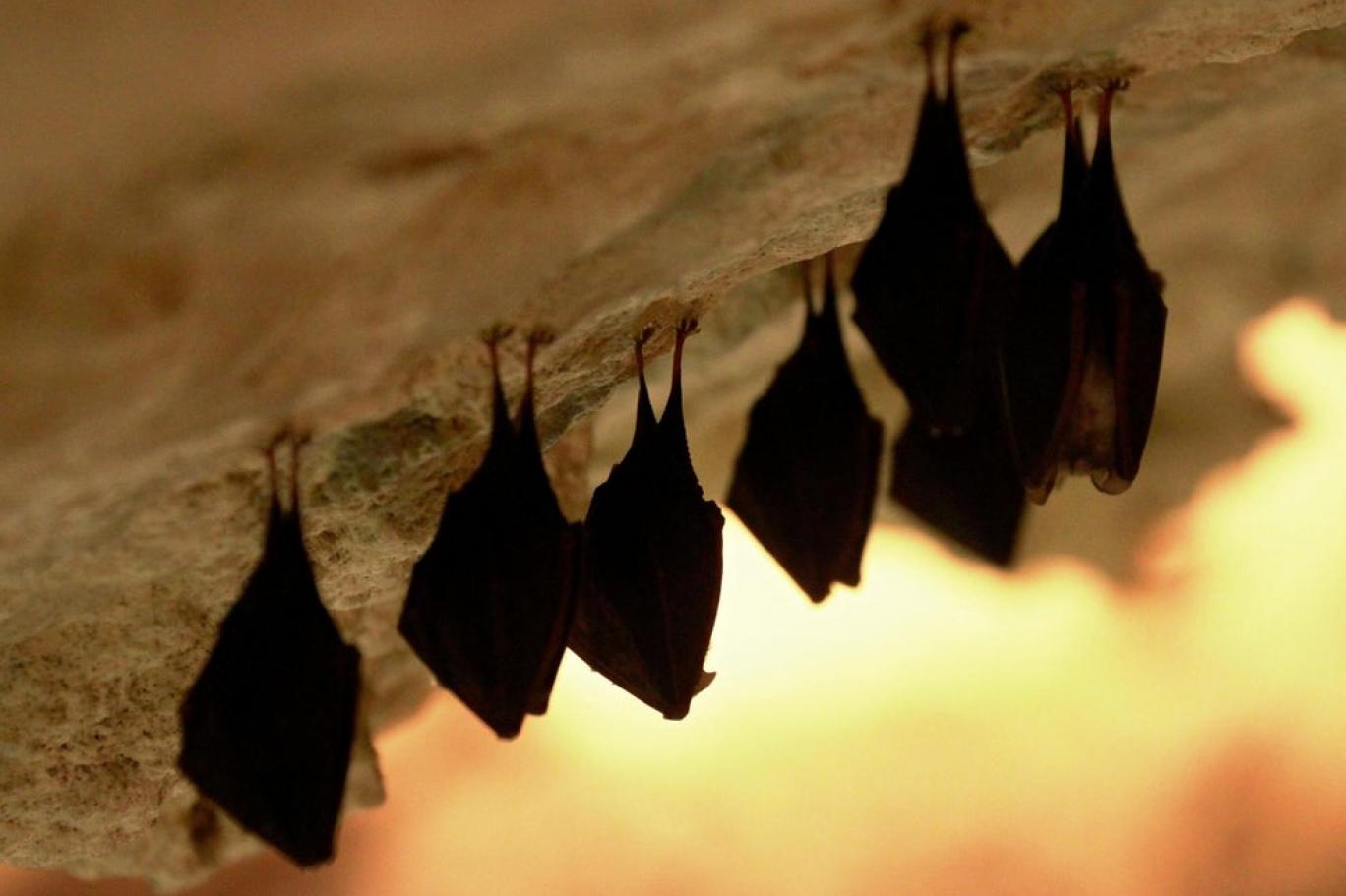
The origin of the coronavirus is still a mystery, but most scientists believe the virus was transmitted from bats to humans through another animal (File photo: AFP)
A professor working on a vaccine for the coronavirus in Oxford has warned that the risk of transmitting the disease from animals to humans is increasing.
Sarah Gilbert, who has played a key role in finding a vaccine to protect against the coronavirus, believes that our lifestyles have increased the risk of animal-to-human transmission, especially in densely populated areas. This is due to international travel and deforestation.
The origin of the coronavirus is still a mystery, but most scientists believe the virus was transmitted from bats to humans through another animal.
Diseases that have recently spread around the world, such as Ebola, SARS, and West Nile virus, have also started in animals, but code 19 has proved to be the most prevalent virus.
The Independent calls for a global effort to curb the illegal wildlife trade. This is the biggest threat to biodiversity. The newspaper's 'Stop the All Legal Wildlife Trade' campaign is also supported by charities and animal protection organizations such as Animals Asia, World Animal Protection, US and Space for Giants.
According to the World Health Organization, animal-borne diseases kill about one billion people and kill millions each year, while 60 percent of the world's infections are transmitted from animals to humans.
According to Professor Gilbert, the threat posed by these diseases is unlikely to end in the future as the world becomes more globalized.
"The way things are happening in the world, we will see an outbreak of animal-borne diseases in the future," a professor of vaccineology at the Oxford University's Institute of Genes told The Independent. Increasing population density, more travel and deforestation all make it more likely that epidemics will emerge and spread.
Last month, UN experts warned that animal-borne diseases would continue to rise unless measures were taken to protect wildlife and the environment.
000_1OL4XM.jpg
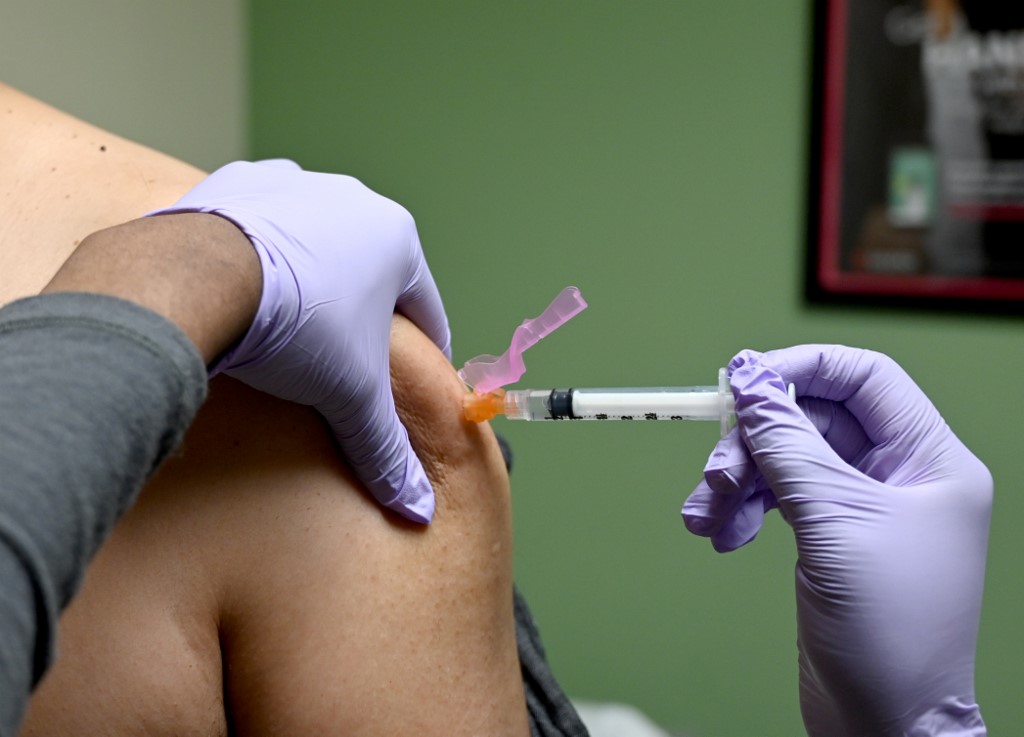
An American man is getting the flu vaccine. According to the Centers for Disease Control and Prevention, influenza killed about 80,000 people in the United States during the winter of 2017 and 2018. (File photo: AFP)
According to the United Nations Environment Program and the International Livestock Research Institute, the transmission of the virus's pathogen from animals to humans has led to the destruction of the natural environment, construction on wild lands, exploitation of wildlife, exploration of natural resources and climate change. Is happening from
Professor Gilbert, who co-authored the Universal Flu Vaccine, believes that in addition to these diseases, there is a risk of influenza in the future, as seen in 2017 and 2018.
According to the Centers for Disease Control and Prevention, influenza killed about 80,000 people in the United States during the winter of 2017 and 2018. It was the deadliest spread of the virus in decades.
"There will be another flu epidemic in the future," said Professor Gilbert. It will come back again. But we don't know which subtype it will be. I was working on a universal flu vaccine that would affect all types of flu, whether it was H1N1, H3N3 or H7N1.
"Once this one-of-a-kind vaccine is created, we will no longer need to diagnose any virus subtypes," he added.
No universal flu vaccine has yet been approved for general use.
Read more
What is the difference between coronavirus and the common flu?
'Red Mercury' in 'Bats' Nests'
Coronavirus vaccine confirms the formation of antibodies in animals
The Wildlife Business in the World: Madness, Sadness, and Extremely Dangerous
"As far as memory goes, the flu epidemic has spread many times in every century, with so many types that we can never get rid of the flu," says Professor Gilbert. We have eliminated smallpox because it is not present in animals. We are also close to eradicating polio. A very good result has come out this week that polio has been eradicated from Africa. This is a big deal. There are other diseases like measles that can be eradicated because the animals do not have their reserves but it does not apply to the flu. The flu is present in many wild animals from which it can be transmitted and we cannot get rid of its reserves. It will continue to affect humans and then it will be another type of flu pandemic that we have never seen before.
Professor Gilbert and his team announced on Saturday that Oxford vaccine trial data would soon be handed over to regulators.